The Seoul Museum of Art (SeMA), OBORO and the Musée d’art contemporain de Montréal (MAC) invite you to an artist talk with Kahee Jeong and Woohyeok Kang as they begin their research and networking residency in Montreal. The artists will present an overview of their respective practices that will explore themes such as speculative fiction and the notion of technological imaginaries, notably through the philosophical, economic, and psychosocial tensions that shape today’s current events.

The artist talk will be followed by a discussion moderated by Gyusik Lee, curator of the Nanji Residency SeMA. A welcome reception for talk attendees will conclude the event.

An Unprecedented Collaboration

This event is part of a special collaboration between SeMA, OBORO and the MAC that aims to explore new partnership formats and to collectively reflect on different models for research and media art production residencies.

In this context, Kahee Jeong, Woohyeok Kang and Gyusik Lee are hosted in Montreal for a research and networking residency during which they will attend a professional networking program organized by the MAC, and benefit from the first-class production facilities and creative support infrastructure of OBORO, an exhibition and production centre for visual arts.

This initiative marks the twentieth anniversary of the Nanji Residency SeMA program in 2026, and takes place in conjunction with the Habiter le MAC open house event on December 5 and 6, 2026. It also bolsters the development of OBORO’s local and international institutional collaborations.
The Artists

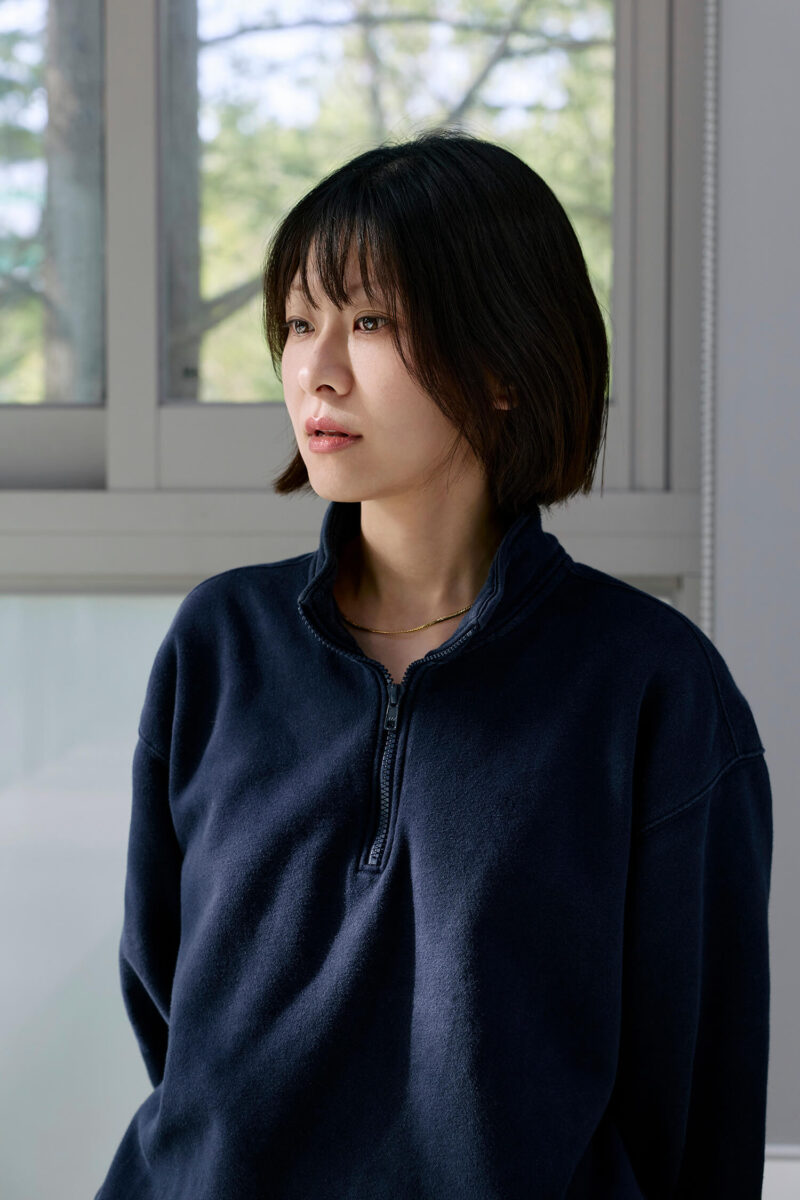
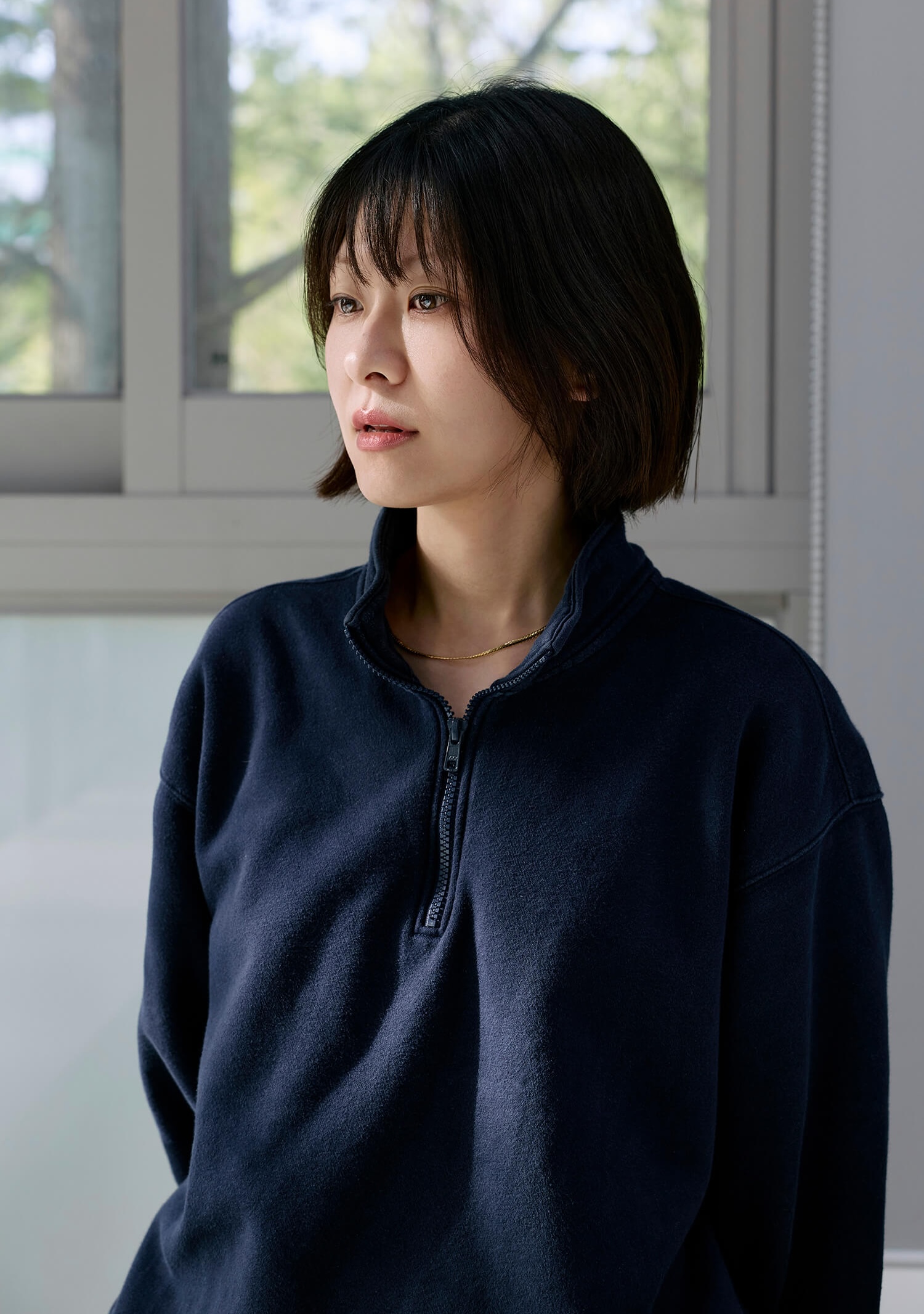
Portrait de l’artiste médiatique et cinéaste Kahee Jeong, invitée de la conférence présentée par le MAC et OBORO.

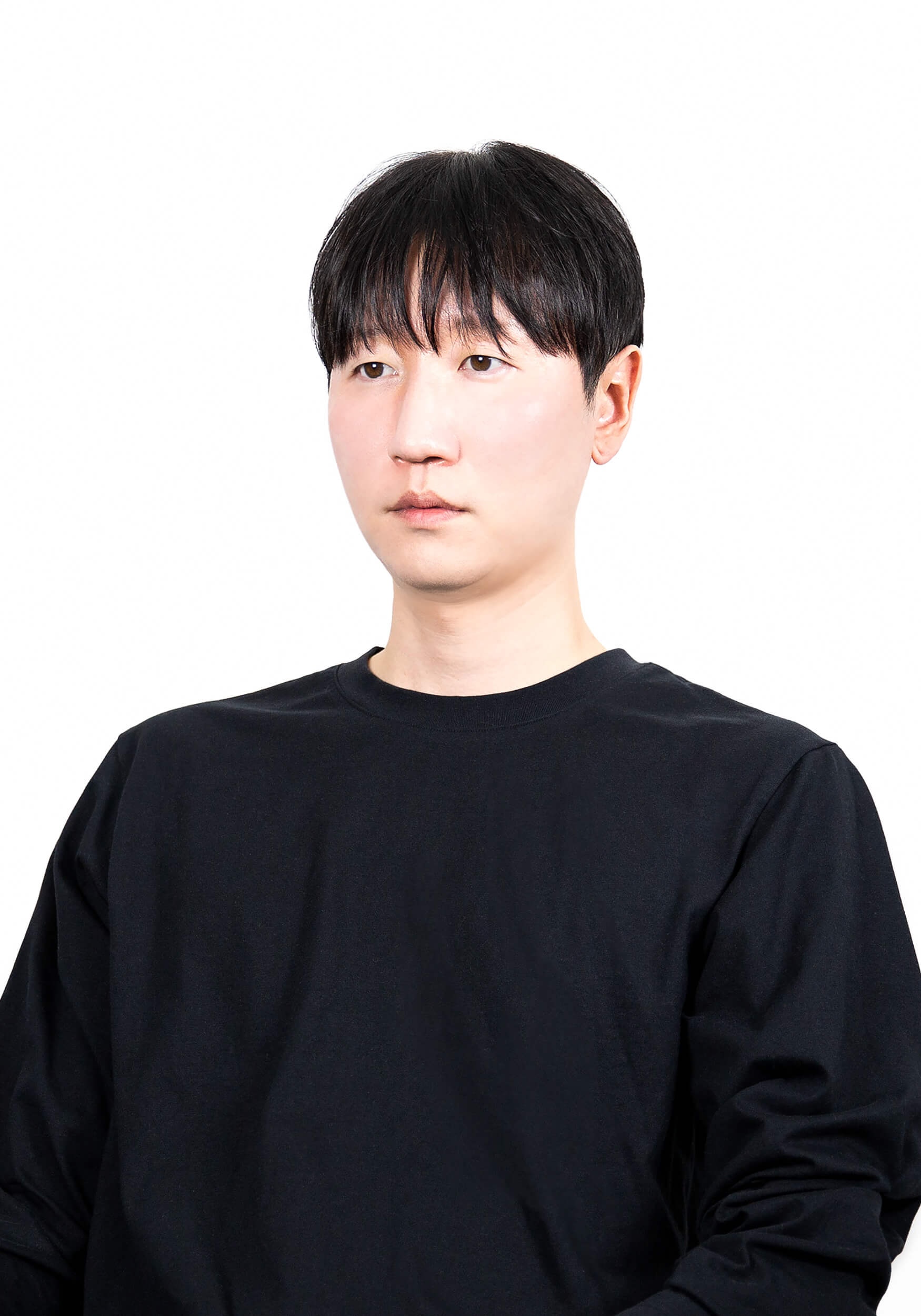
Kahee Jeong

Kahee Jeong is a Seoul-based media artist and filmmaker whose practice explores the psychological impact of technological acceleration, particularly alienation and the failure to adapt. Moving between the virtual and the real, she builds narratives around the traces of human feeling that persist as data, and takes an unflinching look at the class divisions and loneliness that technology conceals. Her interdisciplinary approach grew out of collaborations with researchers at the UCL Institute of Cognitive Neuroscience in London and Charité University Hospital in Berlin, where she visualized neurological data and “unwanted thoughts.” Jeong studied Fine Art at the Berlin University of the Arts (UdK), graduating in 2013 and becoming a Meisterschülerin in 2015. In 2024 she completed a certificate program in Digital Transformation at MIT Professional Education.

+Read more


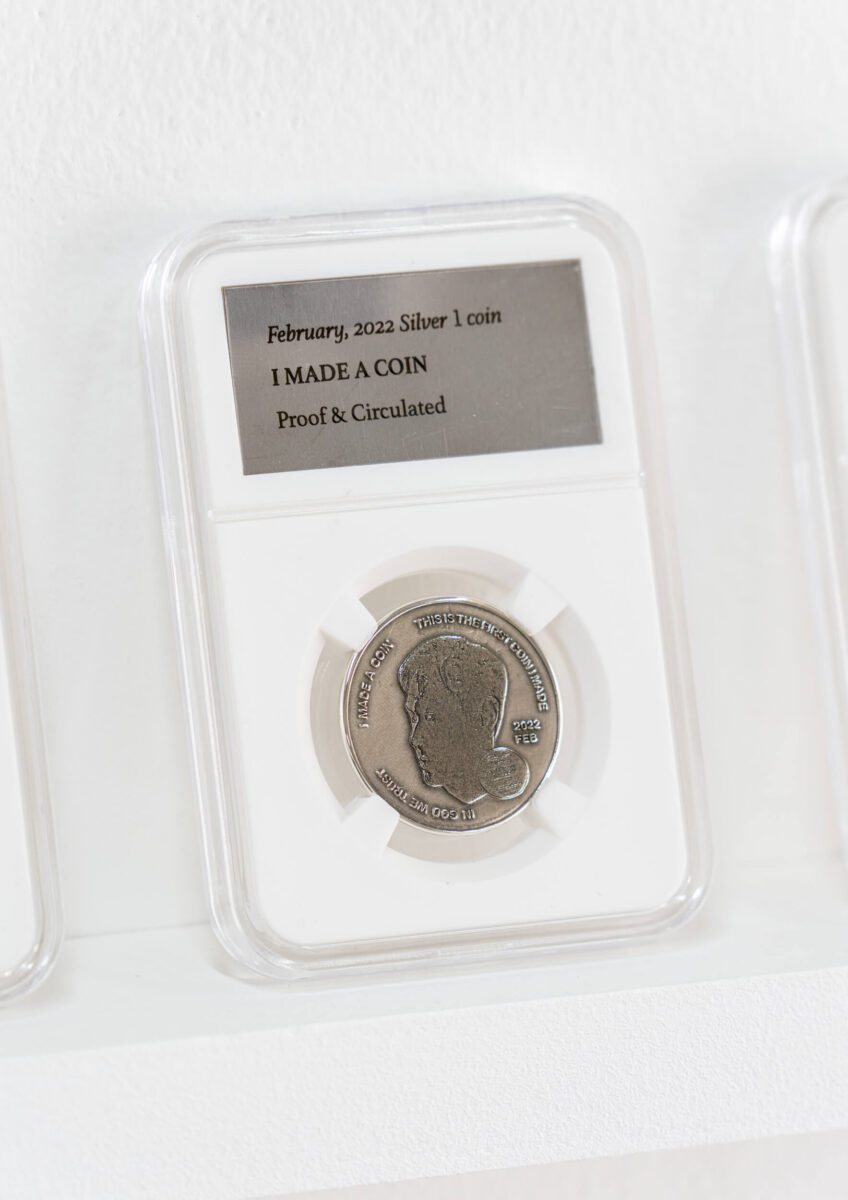
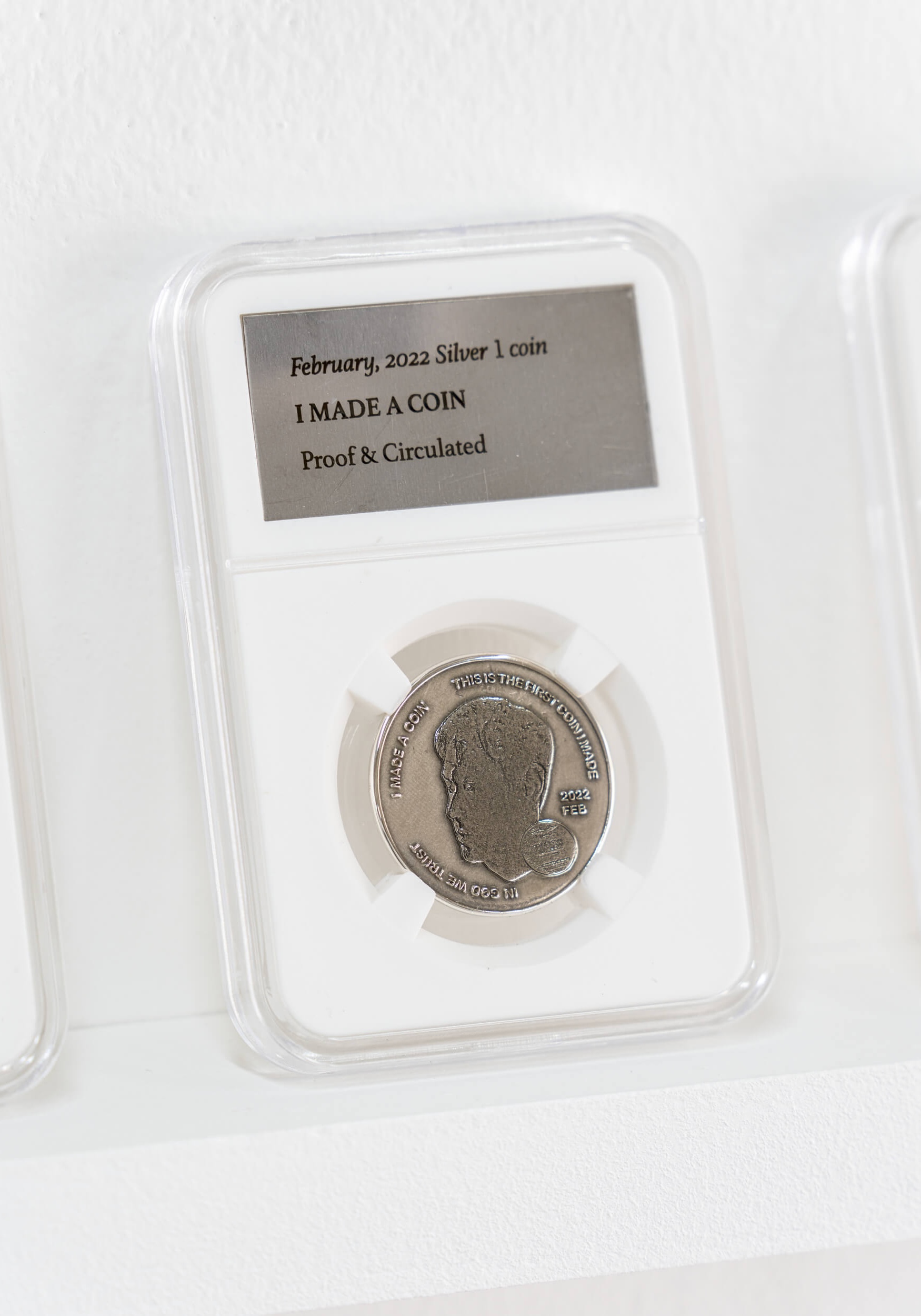
Pièce de monnaie en argent frappée d’un profil et de l’inscription « I made a coin », œuvre servant de portrait à l’artiste Woohyeok Kang.

Woohyeok Kang

Woohyeok Kang explores the relationship between economic systems and personal lives, rooted in his experience of family dissolution during the 1997 Asian financial crisis in South Korea. In Lunar Real Estate (Post Territory Ujeongguk, 2018), he critically examined the modern notion of ownership and its constraints by auctioning land on the moon. Alas, Woes Is Me (2019) used metaphorical fiction to address inheritance taking precedence over mourning. In Where Could I Exchange Currency? (Keep in Touch Seoul, 2022), he presented installations and object-based works using currency and introduced his own currency for artwork transactions, satirizing the speculative nature of cryptocurrency.

His major group exhibitions include Amor Ex Machina (Seoul Museum of Art, 2026), Protect Me From What I Want – Art, the Failed Myth (Seoul National University Museum of Art, 2024), and No Space, Just a Place: Heterotopia (Daelim Museum, 2020). He was also awarded the Artist Support Fund of the Seoul Foundation for Arts and Culture in 2018.

Source: Woohyeok Kang

Moderated by Gyusik Lee

Portrait de Gyusik Lee, commissaire responsable de la Résidence Nanji SeMA et modérateur de la conférence présentée par le MAC et OBORO.

Gyusik Lee is a curator at the Seoul Museum of Art (SeMA), where he develops programs and international exchange initiatives at Nanji Residency SeMA. His curatorial projects include Amor Ex Machina (Seoul Museum of Art, 2026), marking the 20th anniversary of Nanji Residency SeMA; Far, Far Side of the World (SeMA × KCC Touring Exhibition at the Korean Cultural Centers in Tokyo, Hong Kong, and Osaka, 2024); Flare (WESS, 2023); Cryptesthesia (Baeryeom House, 2022); Minor Infelicities (Post Territory Ujeongguk, 2020); and New Normal (Old House, 2020). His practice is informed by an interest in queer and minority perspectives and in how exhibitions and art institutions respond to contemporary social conditions. His recent work focuses on artist residencies as spaces for artistic production and international exchange, exploring how institutions support artists and build relationships across different contexts.

Source : Gyusik Lee

Frequently Asked Questions

Yes. Admission is free, but space is limited, so reserve your spot now.

About 1 hour 30 minutes: an artist presentation of about 50 minutes, followed by a discussion of about 40 minutes. A reception will conclude the evening.

An automated simultaneous translation service is available as on-screen subtitles.

It is the Seoul Museum of Art’s (SeMA) artist residency program, which celebrates its 20th anniversary in 2026. To learn more about this program: Nanji Residency SeMA.

About SeMA

The Seoul Museum of Art (SeMA) acts as a bridge, linking Seoul, a city of culture, with the world while simultaneously fostering meaningful relationships. The museum brings people and spaces together, enables encounters between art and everyday life, and strives to employ the connections that arise from these encounters to fashion unique stories.

Throughout Seoul, SeMA’s eight museums each embody a distinctive role. Each venue retains its own function, architectural character, curatorial focus, and geographical context, yet all eight remain interconnected―building relationships, complementing one another, and growing in tandem.

Within their walls, diverse ideas and experiences mingle and spark new questions, while experimentation and conversation generate endless possibility.

About OBORO

Founded in 1982, OBORO is a Montreal-based exhibition and production centre dedicated to cutting-edge practices in visual, new media and digital arts. Through exhibitions, artist residencies, workshops and interdisciplinary partnerships, the centre’s programming fosters innovation, experimentation, and the sharing of knowledge with the conviction that transcultural artistic experiences contribute to collective well-being. The centre’s new media laboratory, LAB OBORO, offers a variety of services, equipment and specialized spaces for digital and media art production as well as multidisciplinary contemporary art practices. These resources, along with a residency apartment, are made available to local and international artists who also benefit from the expertise of a professional technical team.